

How Long Before Birds Come to a New Feeder: Our Complete Timeline Guide
Introduction: Understanding Bird Feeder Discovery Times in the UK
In our experience with bird feeding across the UK, birds typically take anywhere from 2-3 days to 4 weeks to discover a new bird feeder, with most finding it within 1-2 weeks. We have learned this through years of setting up feeders in different locations and watching the patterns unfold.
Throughout this guide, we share what we have discovered about timing variables, placement strategies, food choices, and troubleshooting tips that actually work for UK gardens. Having made plenty of mistakes with bird feeders ourselves, we understand why timing matters so much for new bird feeding enthusiasts - there’s nothing more discouraging than waiting weeks for birds that never seem to come.
We cover different scenarios you might face, from installing your very first feeder to adding additional feeders near existing ones. Each situation has its own timeline, and understanding these differences will save you from unnecessary worry during those first few weeks of waiting.
Understanding Bird Discovery Patterns: What Affects Timing in the UK
Core Timing Factors
The main variables we have observed that affect how quickly birds find a new feeder include your local bird population, existing food sources in the area, feeder location visibility, and seasonal patterns. Birds are creatures of habit - they follow established flight patterns and foraging routes, which means your new feeder needs to intersect with their daily travels.
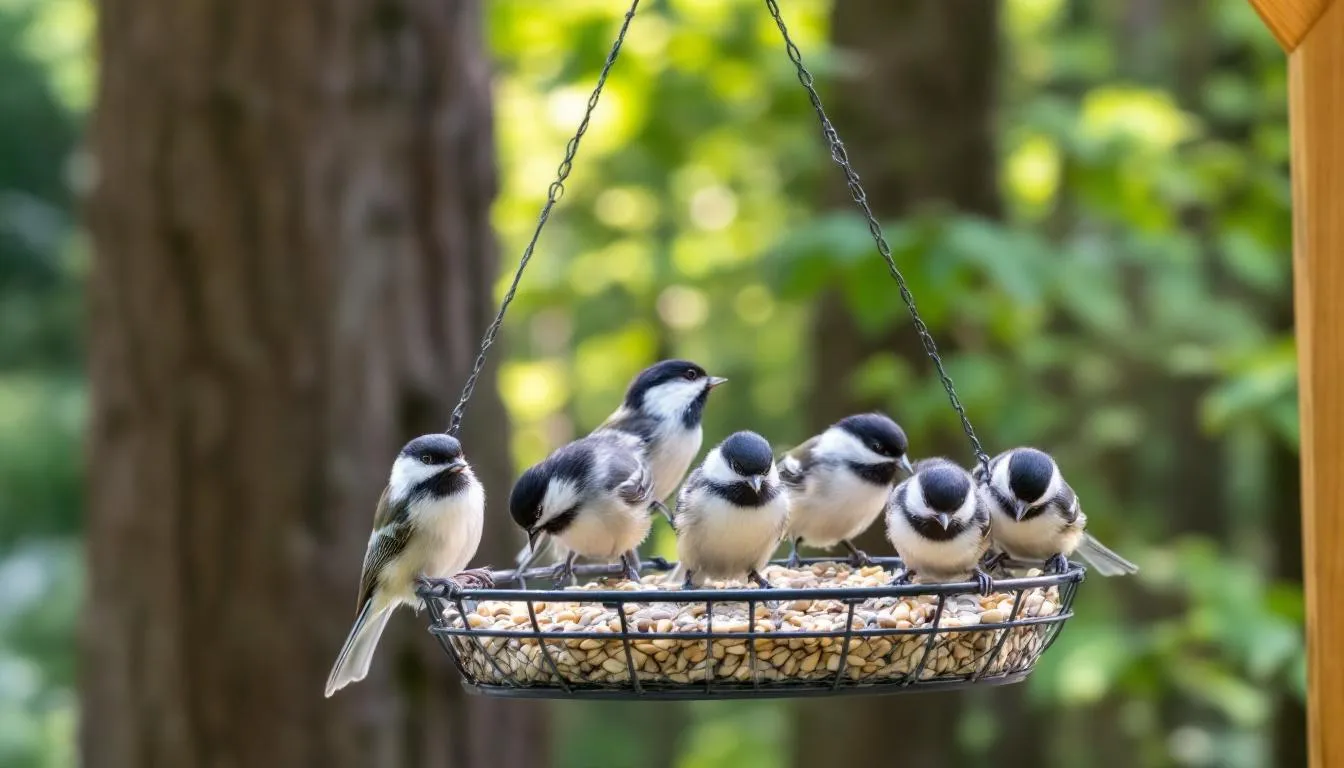
What we find fascinating is how social learning works among birds. Once one bird discovers your feeder, others often follow within a few days. We have watched blue tits lead house sparrows and goldfinches to our feeders countless times. This social aspect explains why discovery can seem slow at first, then suddenly explode with activity.
Different Scenarios and Their Timelines
Based on our observations in UK gardens, here’s what you can realistically expect:
- First feeder in garden: 1-4 weeks is typical for initial discovery, especially if local birds haven’t learned to associate your garden with food availability
- Additional feeder near existing ones: Usually hours to 2-3 days, since birds already know your feeding station
- New feeder type with different seed: 1-2 weeks adaptation period as birds experiment with unfamiliar food sources
- Seasonal restart after winter break: 1-2 weeks for birds to return and remember your location
Why Timing Varies So Much in Bird Feeding
We have noticed that timing varies dramatically based on several factors. The first visitors tend to be the boldest species, and a feeder can sit untouched for a while before anything investigates it. This matches what we see. The boldest birds, like blue tits and robins, are usually the first customers.
Seasonal migration and breeding cycles significantly impact discovery times. During spring and autumn migration, we see faster discovery because more birds are actively searching for food sources. In winter, when natural food sources are scarce, birds are more motivated to find reliable feeding stations, but they’re also more cautious about new objects. Natural food abundance during summer and early autumn may lead birds to be less reliant on feeders. Feeder activity typically increases in autumn and winter when natural food becomes scarce.
Geographic differences play a huge role too. My urban feeders get discovered faster than rural ones, simply because of higher bird density. However, rural birds often stay more loyal once they find your feeder since they have fewer alternatives.
Timeline Comparison Table by Scenario
|
Scenario |
Typical Discovery Time |
Key Factors |
What to Expect |
|---|---|---|---|
|
First backyard feeder |
1-4 weeks |
Local bird density, natural food abundance |
Slow start, then rapid increase |
|
Additional feeder nearby |
2-3 days |
Proximity to other feeders, food type |
Quick adoption by existing visitors |
|
Replacing old feeder |
Hours to 1 day |
Bird memory, similar placement |
Almost immediate use |
|
New seed type |
1-2 weeks |
Species preferences, willingness to experiment |
Gradual trial and acceptance |
|
Post-winter restart |
1-2 weeks |
Returning migrants, winter survivors |
Moderate pace as birds rediscover |
|
During migration |
3-7 days |
High bird activity, energy needs |
Faster than average discovery |
Step-by-Step Guide to Speeding Up Bird Discovery in UK Gardens
Step 1: Optimise Your Feeder Placement
We have learned that placement is absolutely critical for quick discovery. Position your bird feeder near natural cover such as shrubs or trees, close enough to give birds a safe escape route but far enough that the feeder is still out in the open and visible. Ensure clear sight lines so birds can spot both the feeder and any potential predators or other birds.
Avoid areas with high foot traffic or where cats or other predators might hide. We have made the mistake of placing feeders where a startled bird can build up speed towards glass, and the opposite mistake of placing them so far from the house that nothing felt safe using them. The sweet spot we have found is far enough from the house not to startle birds, and close enough that you can still watch them.
Step 2: Choose the Right Food and Feeder Type
Start with black oil sunflower seeds or sunflower hearts - they attract the widest variety of species including robins, blue tits, great tits, house sparrows, and goldfinches. We always use high-quality, fresh seeds stored properly to prevent spoilage. Avoid cheap seed mixes full of wheat and filler grains that most birds avoid.
Consider your target species when selecting feeder types. Tube feeders work great for small songbirds, while platform feeders attract wood pigeons and ground-feeding birds. If you want woodpeckers, add suet feeders to your feeding station. The design of the feeder can determine which birds visit: tube feeders attract smaller songbirds, while platform feeders draw larger birds. Having a bird bath nearby also helps attract more birds to your area. A clean, fresh water source is essential for attracting birds to your garden.
Step 3: Create Discovery Cues and Monitor Progress
We always scatter some seed on the ground below new feeders initially - this creates visual cues that help birds notice the area. To catch birds' attention, you can also scatter a handful of seeds on a table near the new feeder. Keep your feeder consistently filled during the establishment period, even if you don’t see any birds yet. Hungry birds will remember empty feeders and may avoid returning.
Track daily activity and be patient - we give new feeders at least several weeks before making major changes to location or food type. Document which birds arrive first, as these pioneer species often lead others to your feeding station.
Common Mistakes That Delay Bird Discovery
Mistake 1: Moving the feeder location too frequently during the establishment period. We used to do this constantly, thinking we would find the “perfect” spot faster. Instead, we just confused the birds and reset the discovery timeline each time.
Mistake 2: Using cheap seed mixes with filler grains like wheat that birds avoid. We learned this the hard way when our first feeder sat untouched for weeks because it was full of seeds that local birds simply wouldn’t eat.
Mistake 3: Placing feeders in locations that make birds feel unsafe - too exposed to predators, too close to cat hiding spots, or in areas with constant human activity. Birds won’t risk their lives for food, no matter how hungry they are.
Pro tip: Patience is absolutely the most critical factor in successful bird feeding. We have seen people give up after just a week, but some of our best feeding stations took a full month to really get established with regular visitors.
Real-Life Timeline Example from Our Own Experience
Here is the timeline from our first tube feeder setup in a suburban UK garden. This was a new area with no existing feeders nearby, so birds had no reason to associate our garden with food availability.
Week 1-2: Absolutely nothing. We were checking hourly and getting discouraged. The fresh seeds sat untouched while we questioned our feeder location and food choices.
Week 3: First breakthrough! A pair of blue tits discovered the feeder and made several cautious visits. Within two days, they were bringing their young and feeding regularly.
Week 4-6: The social cascade began. House sparrows followed the blue tits, then goldfinches appeared. Wood pigeons started cleaning up seeds scattered below.
Month 2: Full establishment with robins, jays, and even some great spotted woodpeckers visiting our expanded feeding station. The key was adding different types of feeders and food sources once we had those first regular customers.
This timeline taught me that 3 weeks to first visitors is completely normal, and 6 weeks to achieve a diverse species mix is realistic for new feeding stations.
Frequently Asked Questions About Bird Feeder Timing
Q: Is there a wrong time of year to put up a new feeder?
A: No, but spring and autumn migration periods often show the fastest discovery times. We have had great success starting feeders during these peak activity seasons.
Q: Should I take down other feeders to force birds to find the new one?
A: Temporarily, yes - all but one... leave one hanging with little food in it and when it runs out, the songbirds can naturally move to your new feeder. This strategy can help in gardens with multiple established feeders. We sometimes do this for a week to encourage birds to experiment with new food sources.
Q: What if no birds come after a month?
A: Time to troubleshoot your feeder location, food type, or local factors affecting bird activity. Check for nearby natural food sources that might be more attractive, or predators that make birds feel unsafe.
Q: Do weather conditions affect discovery time?
A: Yes, storms and harsh weather can actually speed up discovery as birds desperately seek reliable food sources. We have noticed our feeders get busiest right before and after severe weather.
Q: Will a dirty feeder deter birds from coming?
A: Absolutely. Birds avoid dirty feeders that might harbour disease. Regularly cleaning bird feeders helps attract more birds and keeps them healthy. We clean ours weekly, and immediately if we notice any mould or wet seed buildup. The full method is in our guide to cleaning a bird feeder properly.
Key Takeaways for New Bird Feeder Success in the UK
Here are the most important timing factors we have learned through years of bird feeding:
Realistic expectations matter most: 1-4 weeks is completely normal for first discovery, especially for your very first feeder. Don’t get discouraged if nothing happens immediately.
Location trumps everything: Proper placement near natural cover but with good visibility will do more for quick discovery than any expensive feeder or premium seed.
Consistency builds trust: Keep your feeder regularly filled during the establishment period. Birds learn to rely on consistent food sources and will remember locations that disappoint them.
Pioneer species lead the way: Focus on attracting bold species like blue tits and house sparrows first - they’ll lead other birds to your feeding station through social learning.
Patience pays off exponentially: The wait for first birds feels longest, but once you get those initial visitors, your feeding station will typically expand quickly to include many different species.
We encourage you to start keeping a bird watching journal and gradually expand your feeder setup once you have regular visitors. The journey from empty feeder to thriving garden habitat is incredibly rewarding, even if it requires more patience than most of us expect initially.